


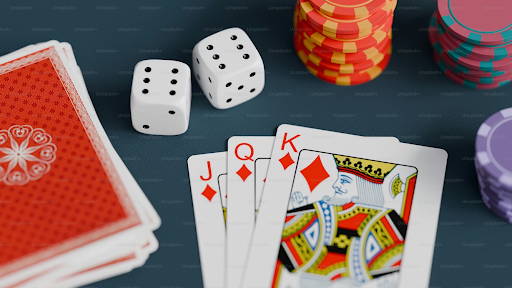
Games have long been more than just a form of entertainment—they are powerful tools for developing strategic thinking, decision-making, and problem-solving skills. From board games to card games, engaging in strategy-based play challenges the brain in unique ways, encouraging focus, planning, and adaptability. The benefits extend far beyond the game table, improving cognitive abilities that are useful in professional and personal life.
Developing Critical Thinking
One of the primary advantages of strategy games is their ability to enhance critical thinking. Players must evaluate multiple possibilities, anticipate opponents’ actions, and weigh potential outcomes before making a decision. This process mirrors real-life problem-solving scenarios, where analyzing options and predicting consequences are essential.
By regularly engaging in games that require thoughtful planning, individuals strengthen their ability to assess situations quickly and make informed choices. Over time, these skills translate into more effective decision-making, both at work and in everyday life.
Enhancing Focus and Concentration
Strategy games also demand sustained attention. Players must remain aware of shifting dynamics, track resources, and monitor competitors’ moves, often for extended periods. This kind of focused engagement trains the brain to concentrate and process information efficiently.
For example, in games where every action matters, losing track of even small details can significantly impact the outcome. The discipline of maintaining attention in a game context encourages better concentration and attentiveness in real-world tasks, from complex projects to time-sensitive decisions.
Improving Planning and Organization Skills
Effective strategy gaming requires forward-thinking. Players often need to plan several moves, anticipate potential challenges, and allocate resources wisely. These activities naturally develop skills in organization and planning, which are directly applicable to career tasks, personal projects, and life management.
The ability to structure steps strategically, consider contingencies, and execute a plan with foresight fosters mental agility. Whether it’s preparing a presentation, managing a budget, or organizing a team project, the principles learned through strategy games provide a valuable framework.
Learning Risk Assessment and Decision-Making
Many strategy games involve weighing risk versus reward. Players must evaluate the potential benefits of an action against its possible downsides, often under time pressure. This encourages thoughtful decision-making and teaches the importance of balancing boldness with caution.
Fast-paced games, such as blackjack, provide a clear example of this principle. Success relies on observing patterns, managing risk, and making calculated decisions quickly. Even though the game is recreational, it develops mental habits that can improve judgment and risk evaluation in other areas of life.
Encouraging Adaptability and Flexibility
No game ever unfolds the same way twice. Players often encounter unexpected moves from opponents, random events, or shifting objectives. Adapting strategies in response to new circumstances encourages mental flexibility and creative problem-solving.
In real life, adaptability is crucial. Whether responding to sudden workplace changes, navigating personal challenges, or making quick adjustments to plans, the ability to think on one’s feet and revise strategies is invaluable. Strategy games provide a safe, engaging environment to practice this skill repeatedly.
Boosting Memory and Cognitive Function
Tracking multiple variables, remembering rules, and recalling opponents’ past moves all work to strengthen memory and cognitive function. Regular engagement with strategy games can improve short-term memory, pattern recognition, and overall mental agility.
This cognitive training is not limited to game-related tasks. It enhances overall mental sharpness, making it easier to process complex information, retain knowledge, and recall critical details when needed in daily life.
Social and Collaborative Benefits
Many strategy games are multiplayer, requiring communication, negotiation, and collaboration. Players learn to anticipate others’ perspectives, negotiate trade-offs, and work toward shared objectives. These skills are directly transferable to teamwork and interpersonal interactions in professional and personal contexts.
Even solo strategy games encourage reflective thinking. Players evaluate their own performance, adjust tactics, and learn from mistakes, promoting self-awareness and continuous improvement.
Applying Game Lessons to Real Life
The lessons learned through strategy games extend beyond the table. Skills such as critical thinking, focus, planning, risk assessment, adaptability, memory, and collaboration all have tangible benefits in everyday life. Regular engagement with these games helps build mental habits that make navigating challenges more efficient and effective.
For example, approaching work projects with the mindset of analyzing patterns, weighing risks, and anticipating potential outcomes mirrors the strategic thought processes practiced in games. The iterative nature of games—trying, failing, learning, and adjusting—also fosters resilience and problem-solving capabilities.
Conclusion
Strategy games offer more than entertainment—they are tools for developing essential cognitive skills that enhance real-life performance. By encouraging critical thinking, focus, planning, risk assessment, and adaptability, these games train the brain in ways that extend far beyond recreational play.
Even fast-paced, high-stakes games like blackjack provide opportunities to hone observation, decision-making, and strategy in a controlled, engaging environment. Incorporating regular gameplay into one’s routine can sharpen mental agility, improve judgment, and promote better problem-solving habits, demonstrating that playing strategically is not just fun—it’s an investment in cognitive growth and real-life thinking skills.
