


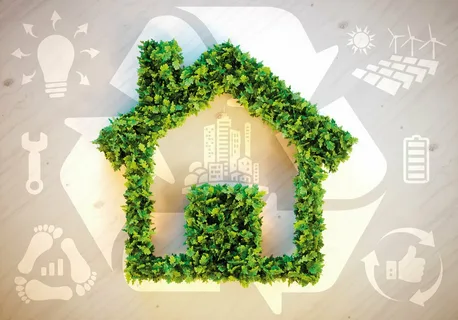
Environmental consciousness is reshaping how we approach death and memorialization. As climate change concerns grow and people seek to minimize their ecological footprint throughout life, many are extending these values to their final arrangements. Green burial and eco-friendly memorial options offer meaningful alternatives to traditional practices while honoring both the deceased and the planet.
Traditional burial practices carry significant environmental costs. Embalming fluids contain toxic chemicals like formaldehyde that leach into soil and groundwater. Metal caskets and concrete burial vaults prevent natural decomposition and consume vast resources in manufacturing. The funeral industry uses millions of tons of steel, hardwood, and concrete annually. For those who prioritize environmental stewardship, choosing a burial for loved one that aligns with green values provides peace that their final act won’t harm the earth.
Natural burial represents the most environmentally friendly option available. Bodies are not embalmed but instead prepared with natural cooling and handling techniques. Biodegradable materials like plain wood, wicker, or cardboard serve as caskets, or bodies may be wrapped in simple shrouds. Graves are dug by hand when possible, and native plants rather than manicured lawns mark burial sites. This approach allows bodies to decompose naturally, returning nutrients to the soil and completing the natural life cycle.
Green burial grounds differ dramatically from conventional cemeteries. These protected natural spaces prioritize conservation and native ecosystems over ornamental landscaping. Instead of uniform rows of headstones, trees, native plants, or simple natural stones mark graves. Many green cemeteries function as nature preserves, ensuring land remains undeveloped in perpetuity. This creates living memorials where families can visit in beautiful natural settings while knowing their loved one’s resting place actively supports environmental conservation.
Cremation, long considered an eco-friendly alternative, actually carries environmental costs. Traditional flame-based cremation requires significant energy and releases carbon emissions and mercury from dental fillings into the atmosphere. However, it still uses far fewer resources than conventional burial. Families choosing cremation can enhance its environmental friendliness by selecting simple containers, avoiding elaborate urns made from non-renewable materials, and choosing meaningful ash disposition methods.
When exploring sustainable memorial planning options, consider water cremation, also called aquamation or alkaline hydrolysis. This process uses water, alkaline chemicals, heat, and pressure to accelerate natural decomposition. It uses less energy than flame cremation, produces no direct emissions, and results in more ash remains that families can keep or scatter. While not yet available everywhere, this technology is expanding as environmental benefits become more widely recognized.
Memorial reefs offer a unique option for those who love the ocean. Companies create artificial reef structures incorporating cremated remains, which are then placed in designated ocean locations. These memorial reefs provide habitats for marine life while creating lasting tributes. Families can visit dive sites or receive GPS coordinates marking their loved one’s location, knowing they’re contributing to ocean ecosystem restoration.
Tree planting memorials connect death to new life in powerful ways. Several organizations offer biodegradable urns containing tree seeds that use cremated remains as nutrients for growing memorial trees. Families can plant these in approved locations, creating living monuments that benefit the environment for generations. Some families choose forest memorial grounds where cremated remains fertilize native trees planted in natural woodlands.
Sustainable memorial products continue evolving. Mushroom burial suits made from organic material and mushroom spores accelerate decomposition while filtering toxins from the body before they enter soil. These innovative options appeal to those wanting their death to actively benefit rather than burden the environment. While still relatively new, such alternatives represent growing innovation in green funeral practices.
Traditional memorial markers also have eco-friendly alternatives. Instead of quarried granite or marble, families can choose locally sourced natural stone, engraved wood that will eventually decay, or native plants as living markers. Some green burial grounds allow only flat stones or GPS coordinates rather than vertical monuments, maintaining the natural landscape character while allowing families to locate graves.
Celebration of life ceremonies can incorporate environmental values through conscious choices. Requesting donations to environmental organizations rather than cut flowers reduces waste. Serving locally sourced, seasonal food at memorial gatherings supports sustainable agriculture. Encouraging carpooling or holding outdoor services accessible by walking or cycling reduces transportation emissions. These choices honor deceased individuals who valued environmental stewardship while gathering community for remembrance.
When reviewing natural burial guidelines thoroughly, understand that regulations vary by location. Some states and counties have specific requirements for green burial, while others provide more flexibility. Working with funeral homes knowledgeable about natural burial ensures compliance with local laws while achieving environmental goals. Not all funeral directors understand green burial, so seeking specialists in this growing field helps navigate available options.
Cost considerations make green burial attractive beyond environmental benefits. Natural burial typically costs significantly less than conventional funeral services. Eliminating embalming, expensive caskets, concrete vaults, and elaborate markers reduces expenses while reducing environmental impact. This financial accessibility makes eco-friendly choices available to families of various economic means rather than only those who can afford premium services.
Some people worry that green burial sacrifices dignity or respect for the deceased. In reality, natural burial honors both the person who died and their values. For individuals who spent their lives caring for the environment, green burial represents the ultimate expression of those principles. Families find deep meaning in choices that reflect their loved one’s authentic beliefs and contribute to environmental protection.
Pre-planning green burial ensures your environmental values guide final arrangements even when family members might not share the same priorities. Documenting wishes clearly and pre-purchasing plots in natural burial grounds guarantees your preferences will be honored. Many green cemeteries fill quickly as demand grows, making advance planning practical as well as purposeful.
The movement toward eco-friendly end-of-life practices continues expanding as environmental awareness grows and options multiply. What once seemed alternative or fringe has entered mainstream conversation, with major funeral industry organizations now recognizing and supporting green burial. This shift reflects broader cultural recognition that environmental responsibility extends throughout life and beyond death, and that our final acts can contribute to planetary healing rather than harm.
