


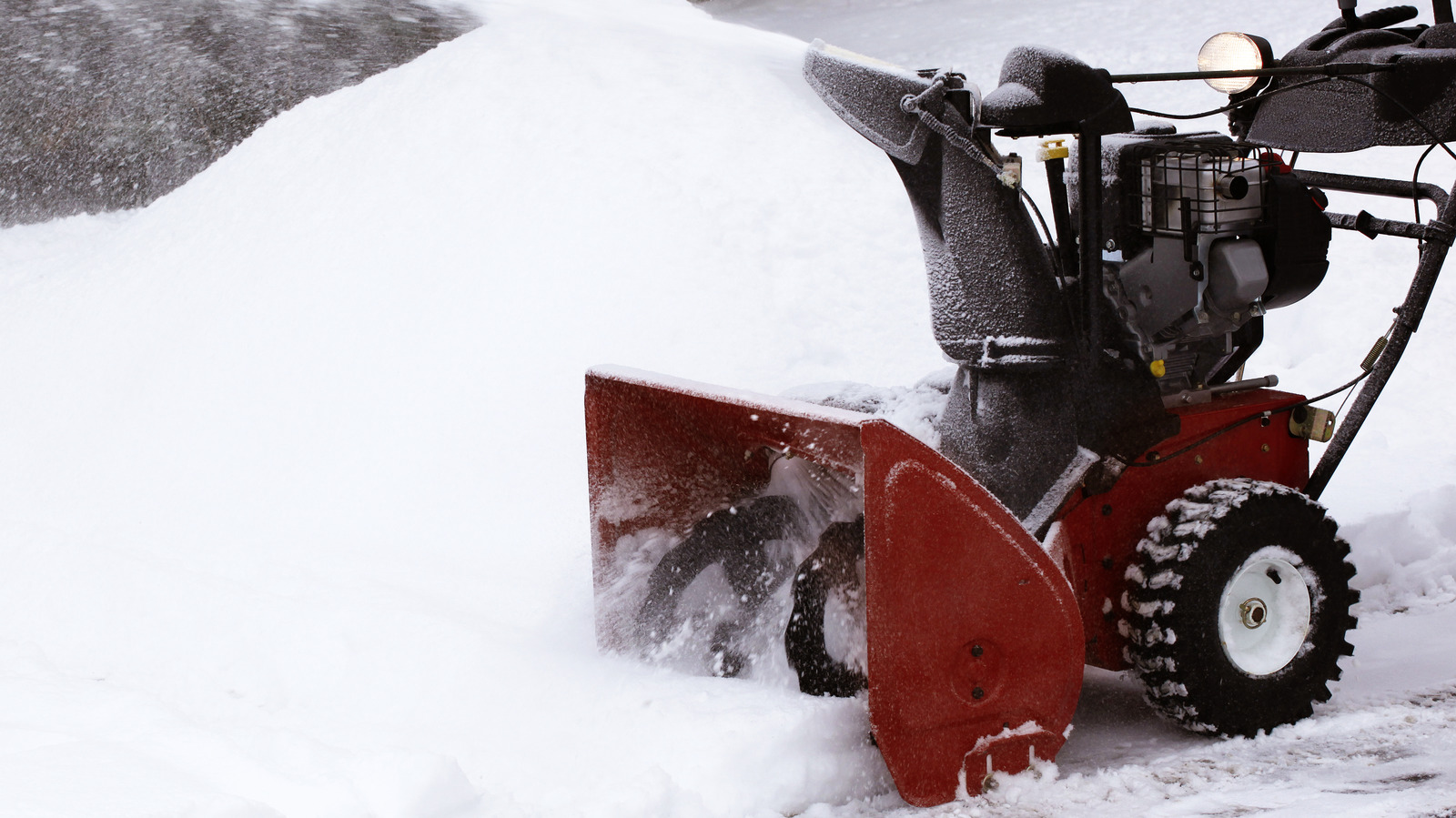
Winter can be harsh, and your snow blower works hard to keep your driveway and sidewalks clear. However, once the snow melts, proper snow blower storage becomes essential to keep it in top condition for the next season. Neglecting maintenance and storage can lead to rust, engine problems, and costly repairs. Here are some practical snow blower storage tips to keep it in top shape.
1. Clean Your Snow Blower Thoroughly
Before storing your snow blower, make sure to remove all dirt, salt, and snow residue. Use a brush and mild detergent to clean the exterior, paying attention to the auger and chute. Rinse off any chemical residue from de-icing salts, as these can cause corrosion over time. Dry your snow blower completely before storage to prevent rust.
2. Drain Fuel or Add a Stabilizer
Fuel left in the tank can degrade and damage your engine. You have two options:
- Drain the fuel completely to avoid gum and varnish buildup in the carburetor.
- Add a fuel stabilizer if you prefer to leave fuel in the tank. Run the engine for a few minutes to circulate the stabilizer through the system.
Either method will help keep your snow blower in optimal condition.
3. Change the Oil
Old oil can contain moisture and debris that damage your engine during storage. Changing the oil after the last use of the season ensures that the engine stays lubricated and protected. Check your owner’s manual for the recommended oil type.
4. Inspect and Lubricate Moving Parts
Inspect belts, cables, and moving components for wear or damage. Lubricate key parts such as the auger, chute, and wheels to prevent rust and ensure smooth operation when you use the snow blower next season.
5. Store in a Dry, Covered Location
One of the most important snow blower storage tips to keep it in top shape is choosing the right location. Store your snow blower in a dry, sheltered area such as a garage or shed. Cover it with a breathable tarp to protect it from dust and moisture. Avoid storing it directly on a concrete floor; a piece of plywood or rubber mat underneath can help prevent moisture buildup.
6. Remove the Spark Plug (Optional)
For long-term storage, removing the spark plug can prevent accidental starting and make maintenance easier next season. Inspect the plug for wear and replace it if necessary.
Conclusion
Proper storage is crucial for maintaining the performance and longevity of your snow blower. By following these snow blower storage tips to keep it in top shape, including cleaning, draining fuel, changing oil, lubricating parts, and storing in a dry location, you can ensure your machine is ready for the next winter. Taking a few extra steps now can save time, money, and frustration later.
