


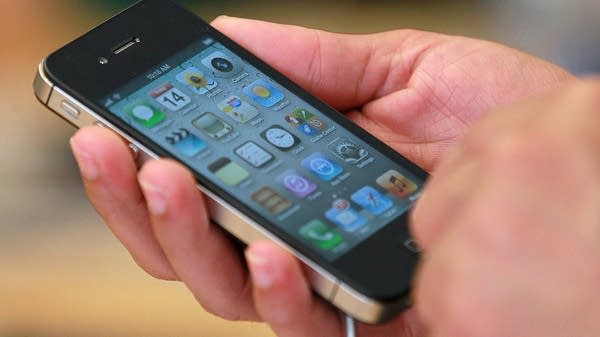
In a digital age where smartphones store nearly every aspect of our lives, monitoring tools have become a growing topic of interest. Among these tools, iphone spy apps stand out due to Apple’s strong security ecosystem and the rising demand for accountability, safety, and control. This article explores what these apps are, how they function, common use cases, and the ethical boundaries surrounding them.
What Are iPhone Spy Apps?
iPhone spy apps are software solutions designed to monitor activities that take place on an iPhone. Depending on the app, this may include tracking messages, call logs, location data, browsing behavior, and app usage. These tools are often marketed for parental supervision, employee monitoring, or device security rather than malicious spying.
Unlike traditional surveillance software, iphone spy apps must work within—or cleverly around—Apple’s strict iOS security framework, which makes their operation more complex than similar tools for other platforms.
How iPhone Spy Apps Work
Due to iOS restrictions, iphone spy apps generally operate in one of three ways:
-
iCloud-Based Monitoring
These apps access data synced to iCloud, such as messages, photos, contacts, and backups. No physical access to the phone is required after setup, but iCloud credentials are needed. -
On-Device Monitoring (with Permission)
Some apps require temporary physical access to the iPhone for installation. Certain features may be limited unless additional system permissions are enabled. -
Network or Account-Level Tracking
A smaller category relies on monitoring activities through connected accounts rather than directly accessing the phone’s operating system.
Common Features of iPhone Spy Apps
Most iphone spy apps offer a collection of monitoring tools, including:
-
Text message and iMessage tracking
-
Call history monitoring
-
GPS location tracking and location history
-
Social media activity insights
-
App usage statistics
-
Web browsing history monitoring
-
Alerts for specific keywords or locations
The exact feature set largely depends on Apple’s current security updates and the monitoring method used.
Legitimate Uses of iPhone Spy Apps
While the term “spy” can sound alarming, there are several lawful and ethical applications:
Parental Control
Parents use iphone spy apps to protect children from online threats, cyberbullying, and inappropriate content while promoting healthy device habits.
Employee Device Monitoring
Businesses that provide iPhones to employees may use monitoring software to protect company data, prevent misuse, and ensure productivity.
Personal Device Security
Individuals may install these apps on their own devices to recover lost phones, monitor suspicious activity, or back up important data.
Legal and Ethical Considerations
The use of iphone spy apps must always comply with local laws and privacy regulations. In most regions, monitoring a device without the user’s consent is illegal. Transparency is key—users should always be informed when monitoring software is active.
Unethical use can lead to severe legal consequences and damage trust in personal and professional relationships.
Challenges Unique to iPhone Spy Apps
Apple’s emphasis on user privacy makes iPhone monitoring more restricted than other platforms. Frequent iOS updates can limit functionality, and many features depend on cloud backups rather than real-time access. This reinforces the importance of choosing tools designed to work ethically and within legal boundaries.
The Future of iPhone Monitoring Technology
As Apple continues to strengthen privacy controls, iphone spy apps are likely to evolve toward permission-based solutions such as advanced parental controls, screen-time insights, and AI-driven safety alerts. The trend points toward transparency and user cooperation rather than hidden surveillance.
Final Thoughts
iPhone spy apps exist at the intersection of technology, security, and ethics. When used responsibly, they can support safety, accountability, and device protection. However, misuse can quickly cross legal and moral lines. Understanding how these tools work and respecting privacy laws is essential before considering their use.
