


Introduction
Temporary military zones demand security systems that can be deployed fast, operate reliably under harsh conditions, and provide real-time intelligence without the logistical burden of complex hardware. Fiber optic intrusion detection system (FOIDS) fit this role exceptionally well. With lightweight materials, rapid installation methods, and high detection sensitivity, FOIDS deliver a tactical advantage for forward operating bases, mobile command posts, field depots, and temporary perimeters. This article explores how modern tactical FOIDS systems are engineered for speed, resilience, and mission reliability.
Why FOIDS Works for Temporary Military Perimeters
FOIDS technology uses disturbances in light within a fiber cable to detect vibrations, footsteps, digging, or attempted breaching. Because the sensing mechanism is optical, not electrical, the system is immune to electromagnetic interference and resistant to environmental extremes. For mobile operations, this is critical: troops can rapidly deploy a system that maintains full detection capability in areas where radios, vehicle engines, and jammers routinely create signal noise.
Another advantage is the simplicity of the sensing cable. A single lightweight reel of fiber can monitor hundreds of meters or even kilometers, enabling wide-area coverage with minimal transport requirements. In contrast to traditional wire-based sensors, fiber deployments do not require power along the fence line or bulky electronics.
Rapid Deployment Features for Military Use
Tactical FOIDS kits are designed specifically for short-term missions and can be set up in minutes. They often include pre-terminated fiber reels, quick-latch connectors, and ruggedized portable processing units. Soldiers can lay the fiber along ground boundaries, wrap it around temporary fencing, or bury it shallowly for covert detection. Because no calibration or complex alignment is needed, the system transitions from transport-ready to operational with minimal technical expertise.
Some systems offer plug‑and‑play processors with pre-configured detection profiles for common operational environments such as desert soil, gravel surfaces, or vegetation-heavy areas. This reduces false alarms by automatically adjusting sensitivity to local conditions.
Deployment Scenarios in Military Zones
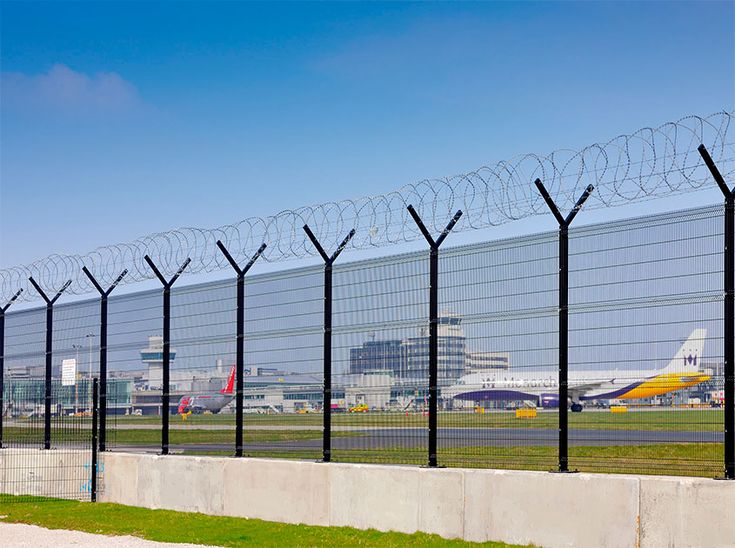
For a newly established forward operating base, a tactical FOIDS can serve as the first line of detection while permanent structures are being built. The cable can be secured to concertina wire, portable barriers, or hastily assembled fencing. In reconnaissance outposts or observation posts, FOIDS provides silent perimeter monitoring without visible hardware that might reveal the position.
Temporary storage depots—especially those holding fuel, ammunition, or humanitarian supplies—benefit from the cable’s ability to detect approach or tampering. Because the sensing cable is thin and inconspicuous, adversaries are far less likely to identify or disable it compared to electronic sensors or cameras.
Advantages Over Other Rapid-Deploy Technologies
Compared with portable radar or ground sensors, FOIDS is lightweight, silent, and does not emit signals that could be intercepted. It continues to operate even in poor weather or heavy dust, conditions that commonly degrade radar performance. Unlike battery-driven seismic sensors, FOIDS relies on a single central processing unit, simplifying logistics. And because one processor can handle a long fiber run, command units don’t need to carry multiple sensor nodes or maintain distributed batteries.
Integration with Field Surveillance Assets
Tactical FOIDS are frequently integrated with portable thermal cameras, drones, and field lighting systems. When the fiber detects movement or cutting attempts, the processor triggers an immediate alert that can cue camera direction or activate infrared illumination. This layered approach allows responders to verify threats quickly, reducing time to action and increasing battlefield situational awareness.
Some military configurations allow wireless transmission of alarm data to command vehicles or remote headquarters. This ensures continuous monitoring even when troops reposition or redeploy.
Operational Reliability in Harsh Environments
Military zones often feature high winds, uneven terrain, and unpredictable weather. Tactical FOIDS incorporate environmental compensation algorithms to filter out noise and maintain stable detection. Fiber is naturally resistant to corrosion, moisture, and lightning effects, making it far more durable in the field than traditional metal-wire detection systems. For temporary missions where maintenance resources are limited, this reliability is essential.
Conclusion
Tactical FOIDS deliver speed, stealth, and robust security ideal for temporary military perimeters. Their lightweight fiber, rapid deployment kits, strong environmental immunity, and integration flexibility give armed forces a dependable early‑warning capability without logistical complexity. For modern mobile operations, FOIDS is increasingly becoming a mission-critical component of temporary zone defense.
